Structured Literacy
From sounds to stories
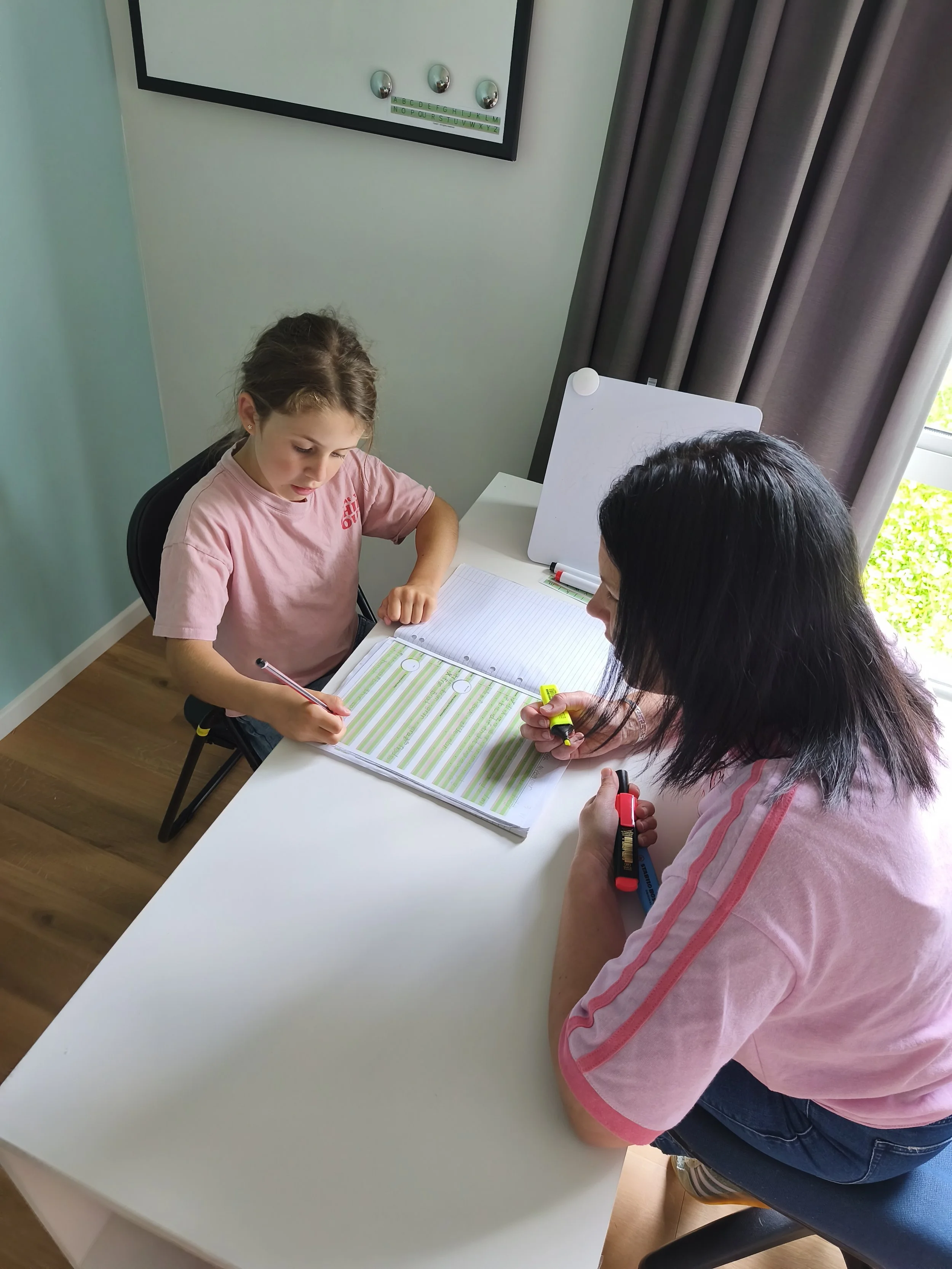
As a Speech Language Therapist with specialised training in structured literacy I understand how language and literacy connect. Strong vocabulary, comprehension and oral language skills underpin reading and writing and i can support across this whole range.
Who I support
I work with children 4 years old through to teenagers. My approach adapts to your child’s age, interests and needs. Play based phonological awareness work with younger children to structured literacy instruction with older learners.
What does a structured literacy session look like?
I use comprehensive diagnostic assessment to understand exactly where your child is and create a personalise plan that meets your child at their current level. Sessions are structured and predictable building skills step-by-step while continuously checking for understanding. This structure helps children focus their energy on learning rather than wondering what comes next. Just as importantly sessions are fun and engaging, success comes not just from skills but from feeling capable and motivated.
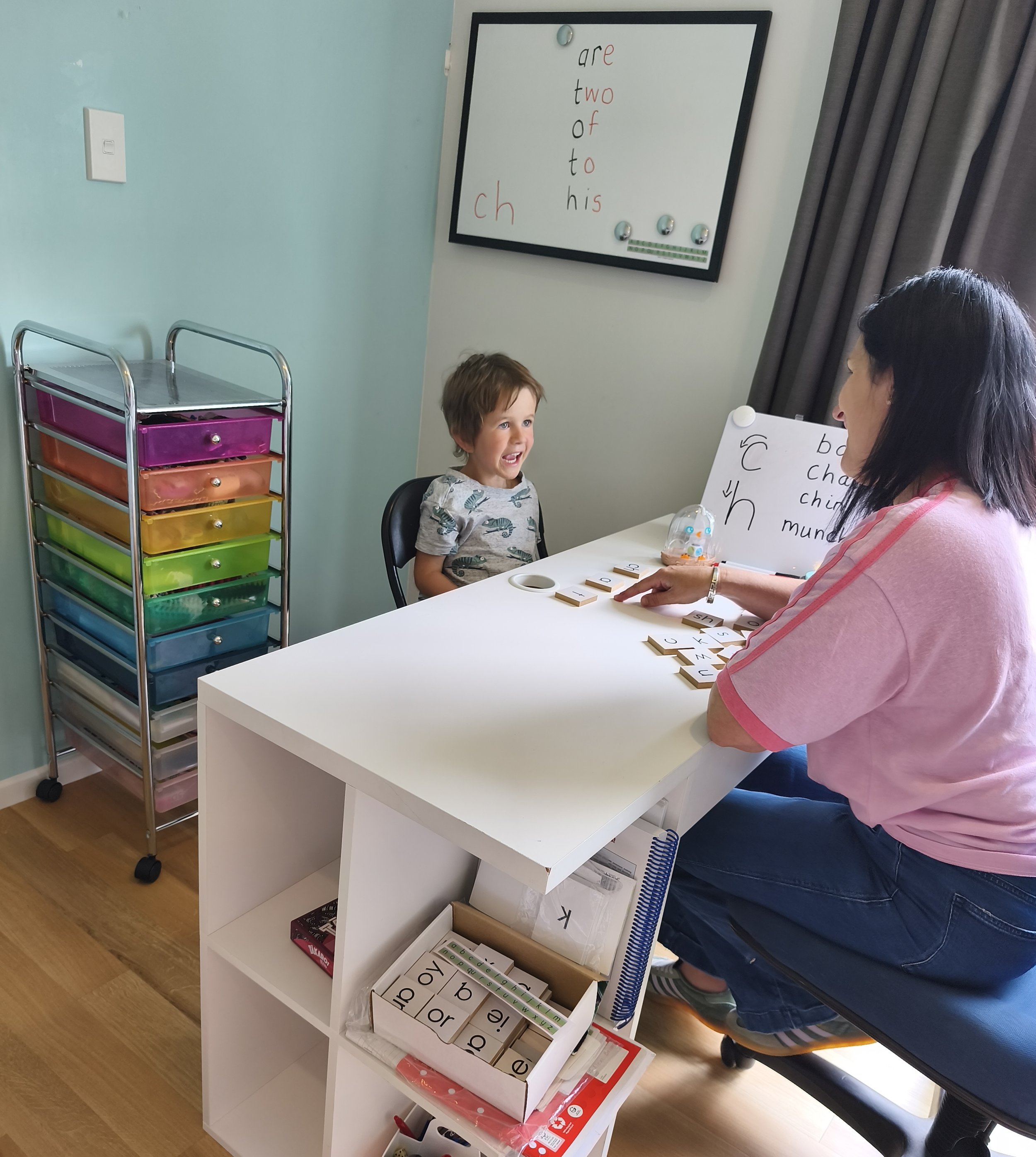
Collaboration
I can collaborate with your child’s school to ensure consistency with their learning. Your child’s school may use a different scope and sequence so i can adapt my session to align with what they are learning in class. This co-ordination means complimentary support helping them feel confident in both settings.
Why This Approach Works?
Structured literacy is grounded in decades of research on how our brains learn to read. Reading doesn’t come naturally to anyone. Our brains need to be taught explicit connections between letters sounds and meaning. For children who need more time and repetition to build these connections, structured literacy provides exactly that, a predictable, systematic approach that moves step by step from simple to complex ensuring nothing is left to chance.
For children who have struggled with reading it can feel like guesswork. Structured literacy removes this guesswork. Children learn reliable rules and patterns they can apply to any word. This builds genuine confidence because they know they have the tools to figure things out independently.